
"Blue Margarita coffee"
146000 article(s) found

Uganda Coffee Characteristics Taste Flavor Description Grind Scale Region
Uganda Coffee Characteristics Taste Flavor Description Ground Scale Producing Region One of the four basic coffee flavors is produced under a dominant role in the first coffee flavor. Acidity ranges from hot to spicy; sweetness from soft to fine; wine taste from pungent to acrid; light taste from soft to neutral; sharpness from coarse to dry; acidity from hard to bitter; temperature of coffee affects these tastes

Introduction of Ugandan coffee beans with low acidity and delicate taste
Uganda's coffee production ranks first in Africa, accounting for more than 70% of its total exports. Uganda is also the hometown and main producing area of Robes specialty coffee. In the 1960s, Ugandan coffee production remained at 3.5 million bags a year. By the mid-1980s, coffee production had dropped to 2.5 million bags a year, mainly for political reasons. But now coffee production is on the rise again, which is large at present.

Ruwenzori (Ruwensori) in the west of Uganda coffee producing area with delicate taste and unique flavor.
Ganda coffee production ranks first in Africa, accounting for more than 70% of its total exports, while Uganda is also the hometown and main producing area of Robes specialty coffee. In the 1960s, Ugandan coffee production remained at 3.5 million bags a year. By the mid-1980s, coffee production had dropped to 2.5 million bags a year, mainly for political reasons. But now coffee production is on the rise again, about

Robes, a coffee variety from the mountains of Elgon and Bugisu, Uganda
Uganda's coffee production ranks first in Africa, accounting for more than 70% of its total exports. Uganda is also the hometown and main producing area of Robes specialty coffee. In the 1960s, Ugandan coffee production remained at 3.5 million bags a year. By the mid-1980s, coffee production had dropped to 2.5 million bags a year, mainly for political reasons. But now coffee production is on the rise again, which is large at present.

Regional characteristics of Ugandan Coffee Flavor description Grinding scale treatment
Uganda Coffee Flavor description Grinding scale treatment method Wet aroma (1-5): 3.4 acidity (brightness) (1-10): 8 taste (layer) (1-10): 8.5 taste (Alcohol thickness) (1-5): 4 aftertaste (residue) (1-10): 8.1 balance (1-5): 0 basic score (50): 50 later when the ship replaced the sailboat

Introduction of Robbs Special Coffee growing area in Uganda Coffee production area
Uganda's coffee production ranks first in Africa, accounting for more than 70% of its total exports. Uganda is also the hometown and main producing area of Robes specialty coffee. In the 1960s, Ugandan coffee production remained at 3.5 million bags a year. By the mid-1980s, coffee production had dropped to 2.5 million bags a year, mainly for political reasons. But now coffee production is on the rise again, which is large at present.

Health experts talk about a reasonable diet breakfast yogurt instead of coffee is more reasonable
Xinhua News Agency, Beijing, March 18-British dietary nutritionist Amanda Ursula suggests that yogurt can be used instead of coffee for breakfast and bananas, cakes or dark chocolates can be eaten. Ursula points out that drinking coffee in the morning can affect the day's work. Because drinking coffee at breakfast will make your heart beat faster and cause your stomach to contract. In addition, the sugar consumed in breakfast will be quickly absorbed by the body, thus

Introduction of Ugandan Robart coffee beans with low acidity and delicate taste
Java produces only a small amount of Arabica beans, most of which were imported from Africa after the rust disaster. This kind of coffee has a strong bitter taste after roasting, but its aroma is extremely light. Although it has low acidity and delicate taste, it is rarely used for direct drinking. It is often used to mix mixed coffee, or to make instant coffee. Uganda's coffee production ranks first in Africa, accounting for the total output of its exports.

One of the leading coffee producing countries in Africa, the Robbs special coffee producing area of Uganda
The output is among the highest in Africa, accounting for more than 70% of its total exports, while Uganda is also the hometown and main producing area of Robes specialty coffee. In the 1960s, Ugandan coffee production remained at 3.5 million bags a year. By the mid-1980s, coffee production had dropped to 2.5 million bags a year, mainly for political reasons. But now coffee production is on the rise again, which is now about 30% a year.

Southern Uganda Coffee beans Robbs Special Coffee introduction to the Elgon Mountains and Bugisu (
Uganda's coffee production ranks first in Africa, accounting for more than 70% of its total exports. Uganda is also the hometown and main producing area of Robes specialty coffee. In the 1960s, Ugandan coffee production remained at 3.5 million bags a year. By the mid-1980s, coffee production had dropped to 2.5 million bags a year, mainly for political reasons. But now coffee production is on the rise again, which is large at present.

The Antigua Coffee region of Guatemala has a Colombian manor with a history of more than 80 years.
Exchange of professional baristas please follow the coffee workshop (Wechat official account cafe_style) cup test Guatemala samples at the beginning of the year, I feel that since 09-10 Antigua quotations are much higher, choose the best one, a total of 8 Antigua samples tested in the cup, we specially selected, and only provide you with a single manor, that is, Antigua that arrived this month. Columbia Manor! she

Costa Rican Tarazhu Flavor | Tarazhu Coffee | White Honey from Stone washing Factory
Professional coffee knowledge exchange more coffee bean information please follow the coffee workshop (Wechat official account cafe_style) Costa Rica Tarazhu Coffee Stone washing Plant White Honey treatment Costa Rica Tarrazu La Roca white honey production country: Costa Rica Costa Rica production area: San Marco, Tarazhu Tarrazu Farm: La Quebrada washing Plant

Uganda coffee producing countries with the highest production in Africa introduce Uganda's boutique coffee beans
Uganda's coffee production ranks first in Africa, accounting for more than 70% of its total exports. Uganda is also the hometown and main producing area of Robes specialty coffee. In the 1960s, Ugandan coffee production remained at 3.5 million bags a year. By the mid-1980s, coffee production had dropped to 2.5 million bags a year, mainly for political reasons. But now coffee production is on the rise again, which is large at present.

Description of taste and flavor of Ugandan coffee beans by grinding scale treatment
Description of the taste and flavor of Ugandan coffee beans Africa is the hometown of the two major varieties of coffee, Arabica and Robusta, while Uganda, which is located in eastern Africa, which enjoys the reputation of plateau water and the Pearl of East Africa, is believed by many people as the birthplace of Robusta. Uganda is one of the few countries in the world that can grow Arabica and Robusta at the same time.

Introduction to the characteristics of Uganda Fine Coffee Bean Flavor Manor
Ugandan coffee beans have a unique flavor of delicate taste, which is very suitable for making Italian and other flavors of coffee. More importantly, Ugandan coffee beans are strictly screened according to the standards of the international market to ensure their high quality and pollution-free characteristics. Africa is the hometown of two major varieties of coffee, Arabica and Robusta, while the eastern Africa enjoys a plateau water hometown and a pearl of East Africa.
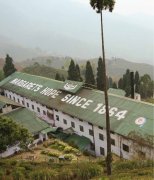
Darjeeling Black Tea Top Estate| Margaret's Hope Manor History Story and Black Tea Flavor Features
Those who have a preliminary understanding of Darjeeling black tea are estimated to have heard a little about some of the top black tea estates in Darjeeling in India. Among them, Margaret Hope Tea Estate is famous among many Darjeeling tea lovers. Margaret's Hope Tea Estate, called Margaret's Hope Estate, has a paragraph behind the name.

Description of taste and flavor of Ugandan coffee introduction to manors of variety producing areas
The taste and flavor of Ugandan coffee is described by the variety producing area. Africa is the hometown of the two major varieties of coffee, Arabica and Robusta, while Uganda, which is located in eastern Africa, which enjoys the reputation of plateau water and the pearl of East Africa, is believed by many people as the birthplace of Robusta. Uganda is one of the few countries in the world that can grow both Arabica and Robusta.
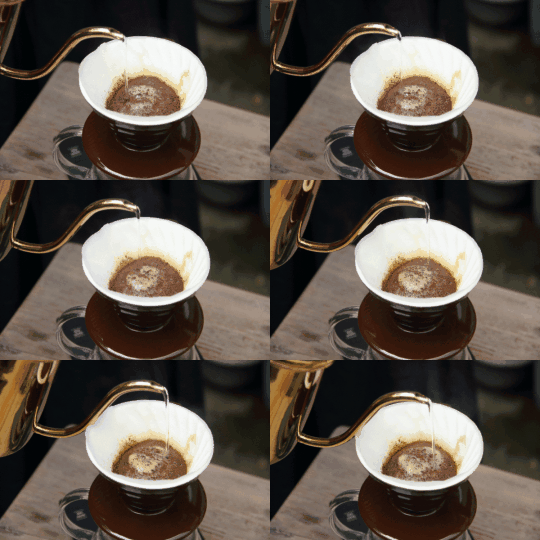
Uganda Coffee Flavor description Taste characteristics Grinding scale Fine Coffee beans
Uganda coffee flavor description, grinding scale, fine coffee beans introduce Uganda's coffee production ranks first in Africa, accounting for more than 70% of its total exports, while Uganda is also the hometown and main producing area of Robes specialty coffee. In the 1960s, Ugandan coffee production remained at 3.5 million bags a year. By the mid-1980s, coffee production had fallen to

Introduction to Venezuelan Coffee-San Cristobal Coffee
The topography of Venezuela can be divided into three regions: first, the northwest and northern mountains, mainly the Merida Mountains, the northeast branch of the Andes, is the largest mountain range in the country, with year-round snow, glaciers and frequent earthquakes. The peak of Bol í var is 5007 meters above sea level, which is the highest point in the country. In the northwest of the Merida Mountains, there is the largest lake in South America-Mara.

Taste characteristics of Ugandan Coffee Flavor introduction to manors in boutique coffee bean producing areas
Uganda is the country of origin of coffee grown in Robusta, but commercial cultivation of Arabica species here did not begin until early 1900. Today, there are still a large number of wild robusta coffee trees in Uganda, which is rare in cities in the world. As a landlocked country, the large coffee cultivation in Uganda is often interplanted, where coffee trees are mixed with food crops and rubber trees.